Blog
Market analysis and congressional trading insights
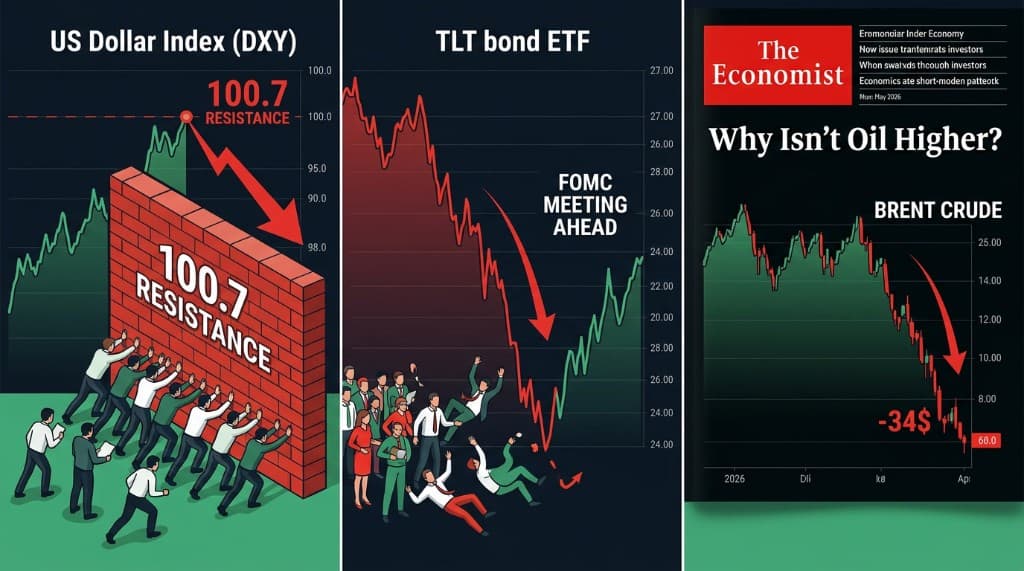
Three Contrarian Signals: Dollar at Resistance, Bonds Ready to Bounce, Oil Sweep Completed
José Luis Cava applies contrarian analysis to three markets simultaneously. Oil has completed its sweep below the March lows — the market is now clean and positioned for a recovery toward $84 if $79.7 holds. The dollar (DXY) faces formidable resistance at 100.7 with overcrowded long positions — a setup that historically precedes sharp declines. And the TLT bond ETF has swept out all investors who entered since September 2025, setting up a price bounce that implies falling yields ahead of the upcoming FOMC meeting. All three signals, read together, point toward an improving liquidity environment for risk assets.
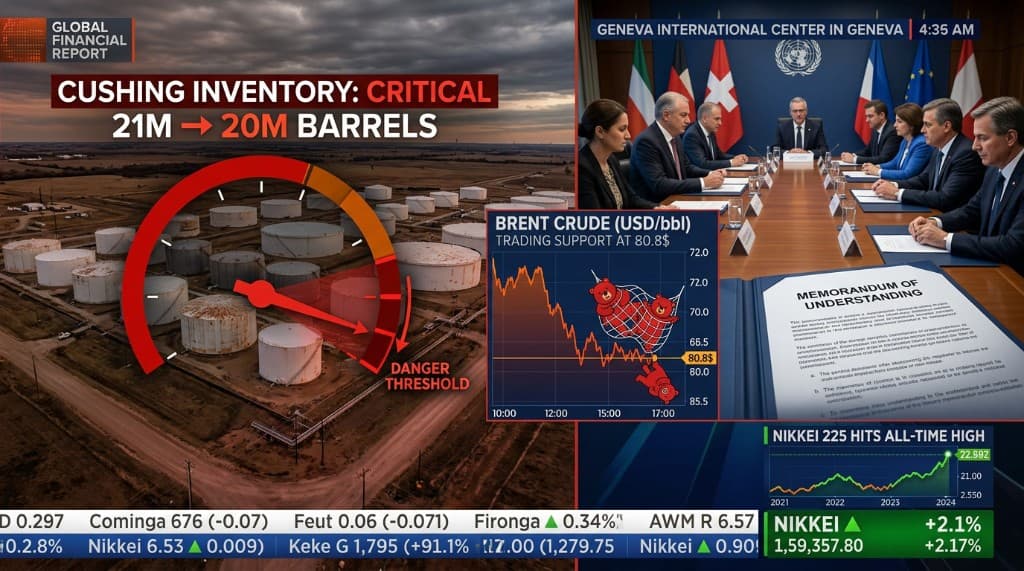
Oil: The Market Priced a Peace That Doesn't Exist Yet — And Cushing Is About to Run Dry
José Luis Cava identifies a dangerous mispricing in oil markets: traders have liquidated long positions and priced in the best possible scenario from the US-Iran agreement, but what will be signed in Geneva is a non-binding Memorandum of Understanding, not a peace treaty. Meanwhile, US strategic reserves sit at 1983 lows, and the Cushing, Oklahoma delivery hub is on track to breach 20 million barrels — the operational damage threshold — by June 19-20. The shorts are standing on sand. Add Japan's paradox (rates up, liquidity still flowing) and France's structural euro problem, and the macro picture is more volatile than markets suggest.
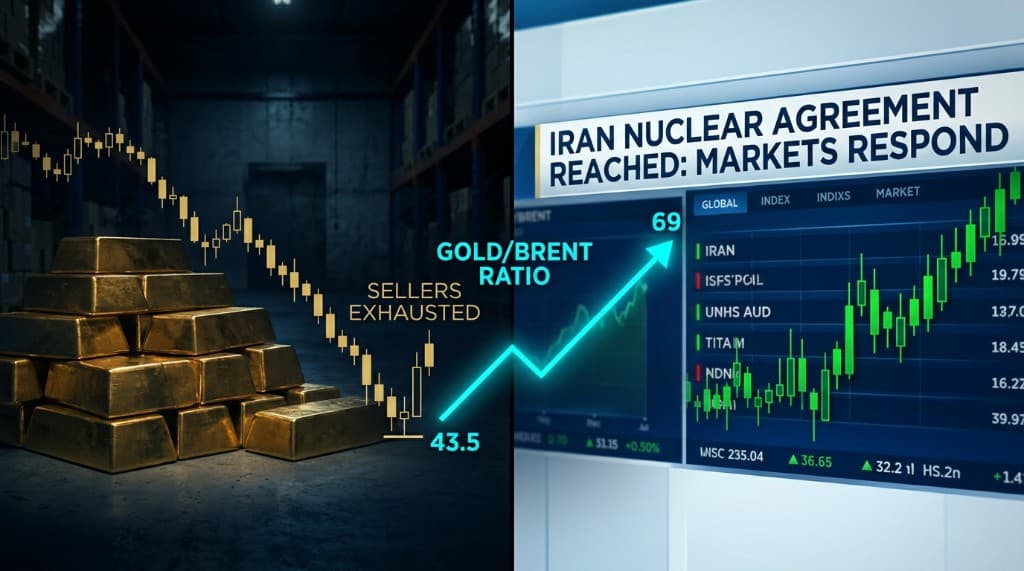
Gold Is Forming a Floor: Identified Temporary Sellers, Iran's Capitulation, and the ECB's Policy Error
José Luis Cava identifies three temporary causes behind gold's recent decline — Gulf states selling for cash, Trump tariff arbitrage unwinding, and geopolitical risk premia. The technical picture confirms an emerging floor: extreme bearish sentiment, a completed sweep of March lows, and the Gold/Brent ratio building a base at 43.5 with a target of 69. Meanwhile, Iran's strategic capitulation in the peace deal collapses global risk premiums — highly bullish for growth assets. The ECB's rate hike decision, in this context, is described as a significant policy error.
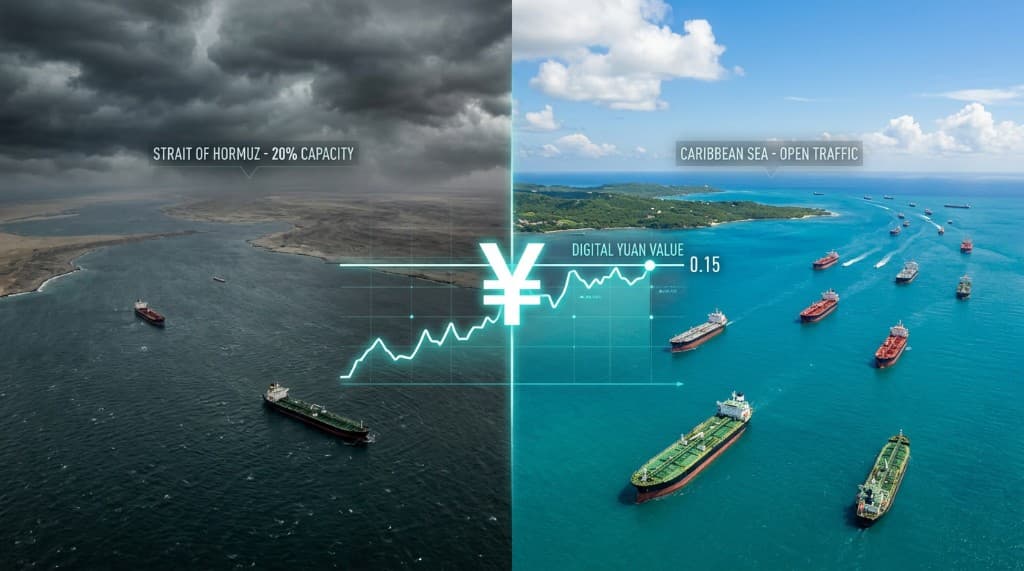
SpaceX IPO Day: Extreme Greed, Identified Sellers, and the Yuan Approaching Its Signal
SpaceX begins trading today. Retail investors bought Virgin Galactic by mistake, confusing its ticker with SpaceX's — the clearest possible signal of peak euphoria. Meanwhile, the pressure on Bitcoin and gold has been traced to identified forced sellers: Gulf states unable to export oil through a 20%-capacity Hormuz Strait, and Russia funding its war machine after Ukrainian attacks on its refineries. Both are temporary. The Yuan is now within 1.5% of its key resistance at 0.15. José Luis Cava also identifies uranium as the next medium-term opportunity.
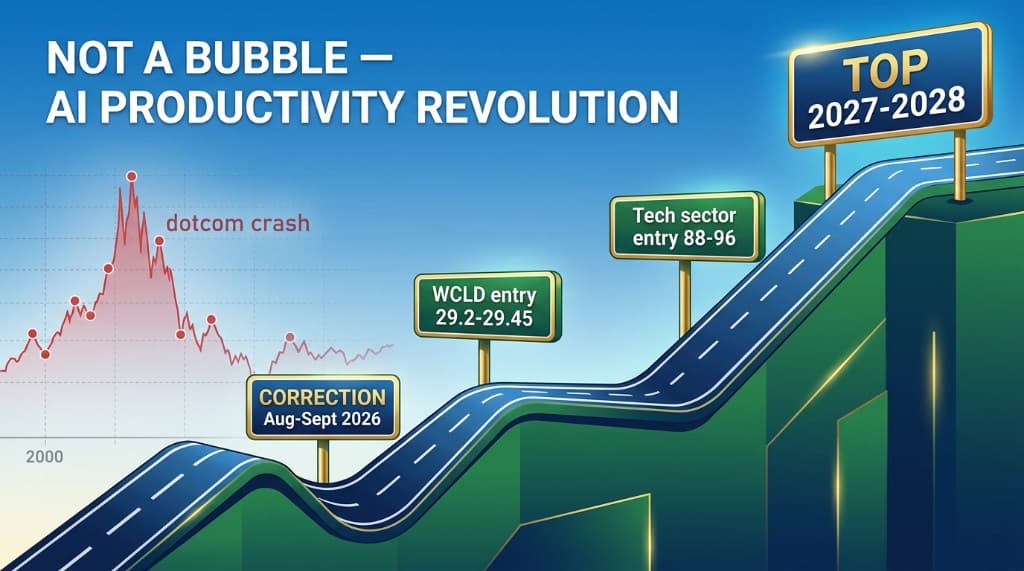
18 to 24 Months of Tech Gains Ahead: Why This Is Not 2000 and Where to Enter
The technology sector is not in a bubble — it is in a correction within a structural bull market that José Luis Cava projects will run for 18 to 24 months after the August-September 2026 bottom. Unlike 2000, today's tech companies are profitable, self-financing with operating cash flow, and building infrastructure that will compress inflation through productivity gains. Cava maps the specific entry levels for the tech sector and introduces WCLD (WisdomTree Cloud Computing) as a vehicle for small and mid-cap cloud exposure with a defined entry zone.
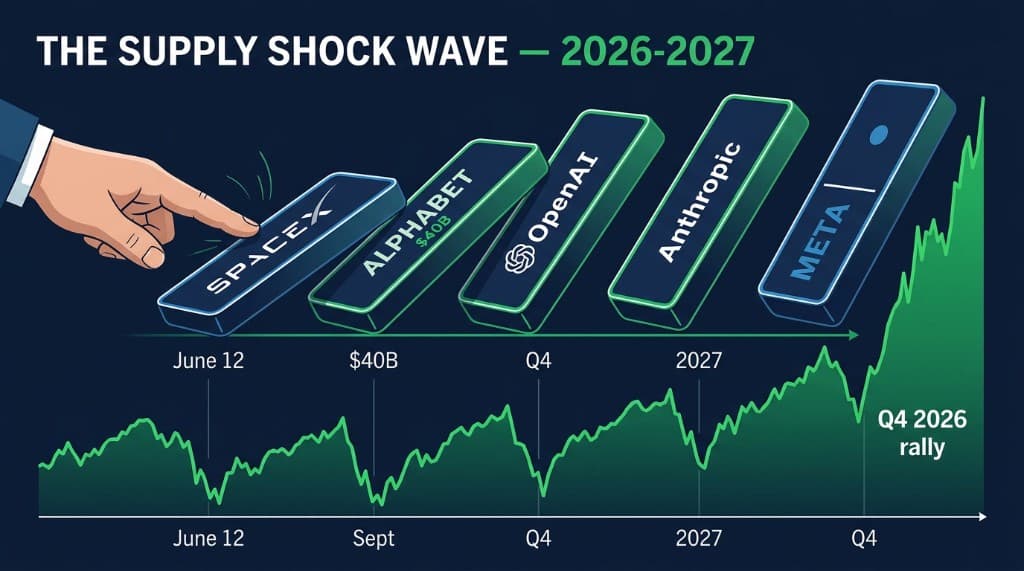
SpaceX Is Just the Beginning: The Equity Supply Shock That Will Define Markets Through 2027
The SpaceX IPO on June 12 is not an isolated event — it is the first wave of a massive equity supply shock that will run through early 2027. Alphabet is preparing a $40 billion share issuance before September. OpenAI and Anthropic have filed confidentially with the SEC. Meta will issue shares to fund AI. Each listing requires the market to stay high enough to place the paper. José Luis Cava maps the precise timeline, explains why the current correction is algorithmic and temporary, and identifies the window when the real buying opportunity arrives.
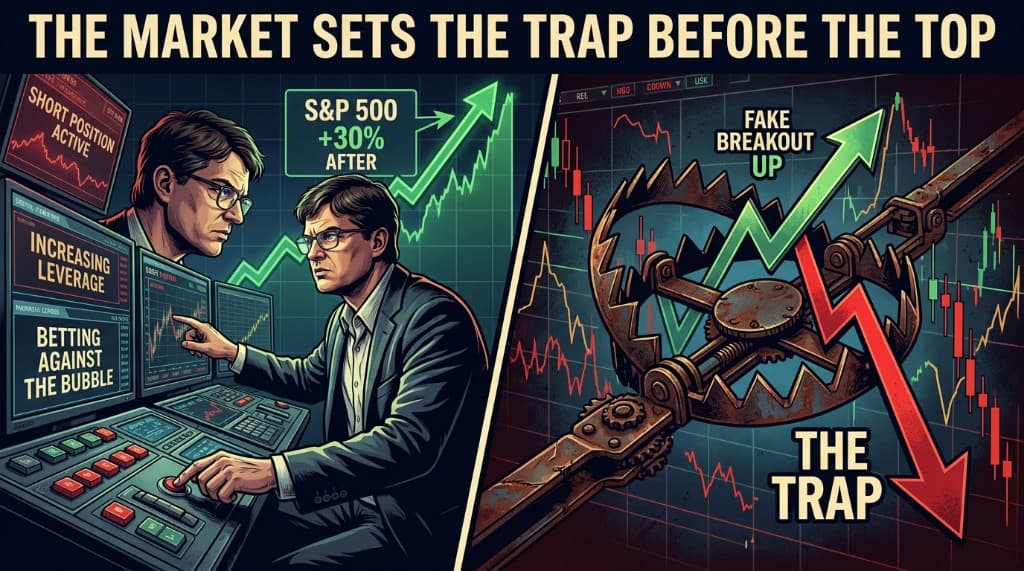
Michael Burry Is Short — But the Three Conditions for a Market Top Are Not Met
Michael Burry has opened massive short positions on the Nasdaq 100, semiconductors, Palantir, and NVIDIA. But according to José Luis Cava, three conditions must be present before a genuine market top forms — and none of them are currently in place. The real lesson from Burry's 2008 trade is not that he was right, but that he was right two years too early, which for any normal speculator means account liquidation. Plus: how algorithms use fake breakouts to trap both bulls and bears before the real move, and what early Bitcoin signals actually mean.
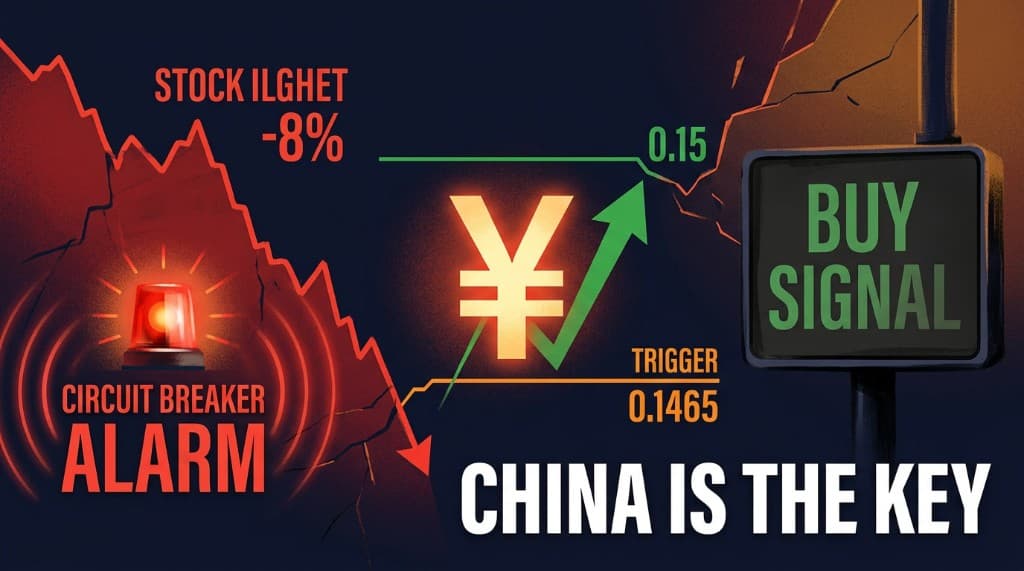
Korea's Black Monday: China Is Draining Liquidity and the Yuan Is the Signal to Watch
The KOSPI opened down 8% on Monday, triggering a 20-minute trading halt. The proximate cause was mechanical — catching up to the 14% Friday decline in the US-listed KWY ETF. But the root cause is structural: China's central bank is withdrawing liquidity, the Yuan is strengthening, and the ripple effects are hitting semiconductors, crypto, and gold simultaneously. José Luis Cava maps the correction targets for SK Hynix and the KOSPI, identifies 800,000+ open put contracts as a contrarian signal, and gives one technical indicator that will confirm the floor.
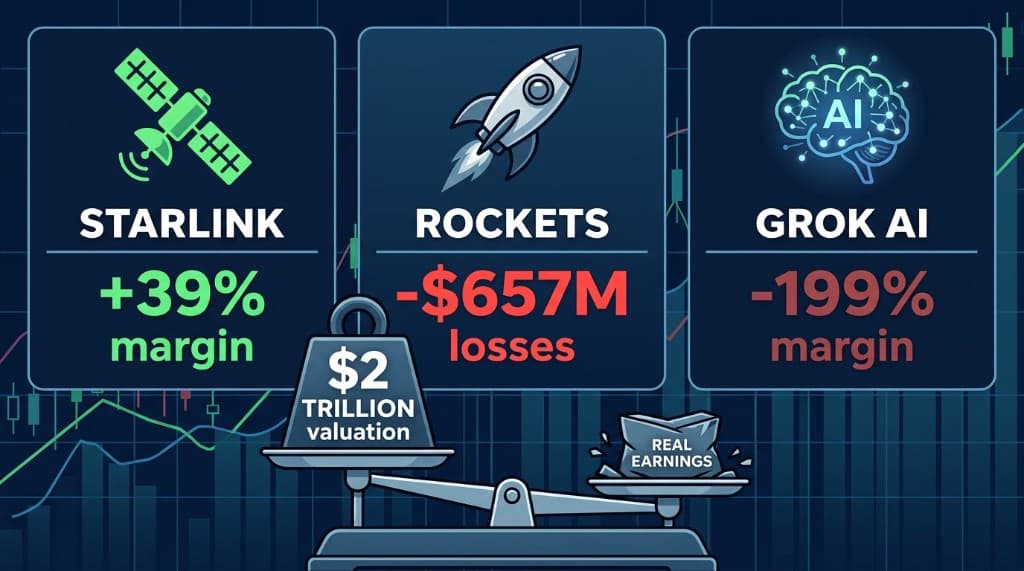
SpaceX Is Three Companies in One — and the Math Does Not Work at $2 Trillion
SpaceX's IPO is arriving in one of the most euphoric markets in history — Micron up 197% in 2026, SanDisk up 4,200% in twelve months. Fernando Sánchez cuts through the narrative with the actual financial data: SpaceX is three businesses with radically different economics, consolidated losses of $4.9 billion, and a valuation of 43 to 46 times sales. The three golden rules for anyone who still wants exposure, and why the lockup expiration — not the listing date — is where the real opportunity begins.
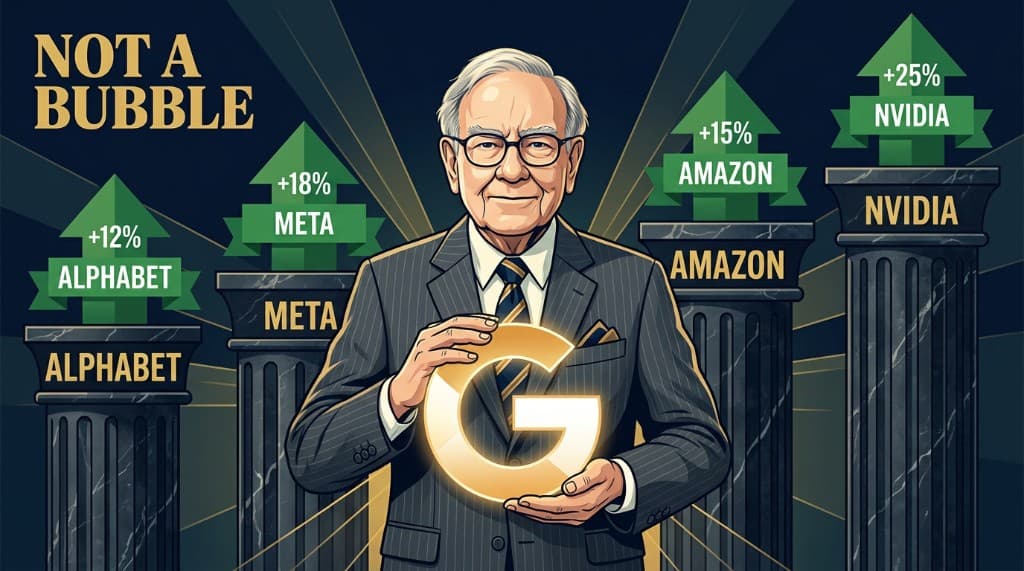
Buffett Buys Alphabet: Why AI Is Not the Dotcom Bubble
Warren Buffett's largest investment since 2018 — a $10 billion position in Alphabet — is the clearest signal yet that the AI infrastructure buildout is not speculative excess but rational capital allocation with real returns. Fernando Sánchez analyses why the hyperscalers are different from the dotcom era, why Meta is the most undervalued of the group, and where the real bubble risk actually lies: in memory semiconductors, not in the companies building the AI stack.
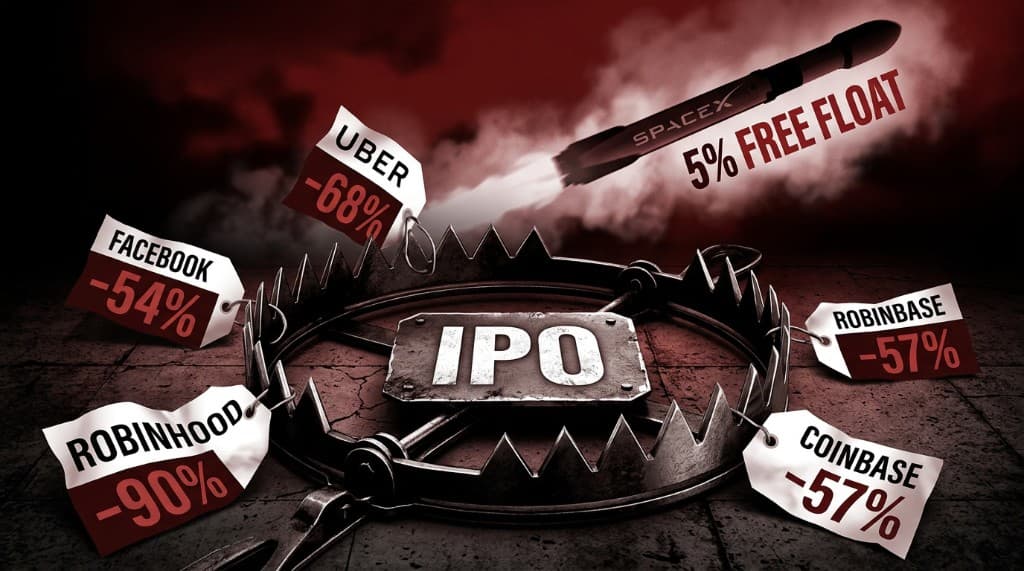
The IPO Trap: Why the Biggest Tech Listings Destroy Retail Wealth
The data is unambiguous: the largest technology IPOs in history have destroyed wealth for retail investors who bought at listing. Facebook, Uber, Coinbase, Robinhood — each fell between 39% and 90% in their first year. With SpaceX preparing the most anticipated IPO since Facebook, and its structure designed to create artificial scarcity, Fernando Sánchez maps the mechanics of why IPOs are built for insiders, not for the public.
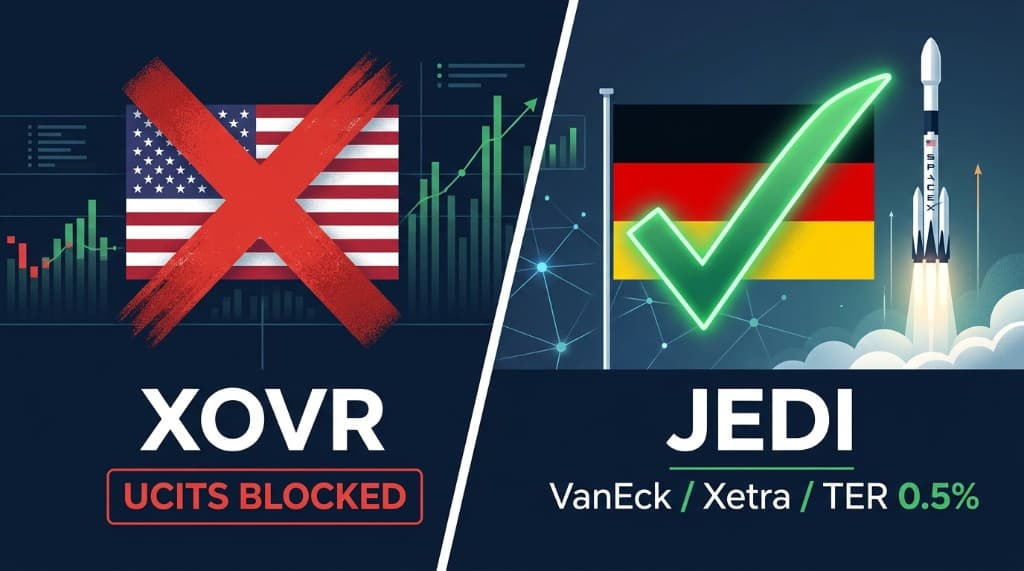
SpaceX IPO: The European Investor's ETF Guide and the Lockup Risk Nobody Expected
The SpaceX IPO is not just an equity event — it is a macroeconomic catalyst that could accelerate US GDP growth while simultaneously creating a sharp correction risk. This HOPLA Finance analysis (recorded May 28) maps the ETF vehicles available to European investors, explains why XOVR is off-limits due to UCITS rules, and identifies JEDI (VanEck) as the most accessible option. Plus: the lockup structure that changes everything, and why entering now during a parabolic rally is the wrong move.
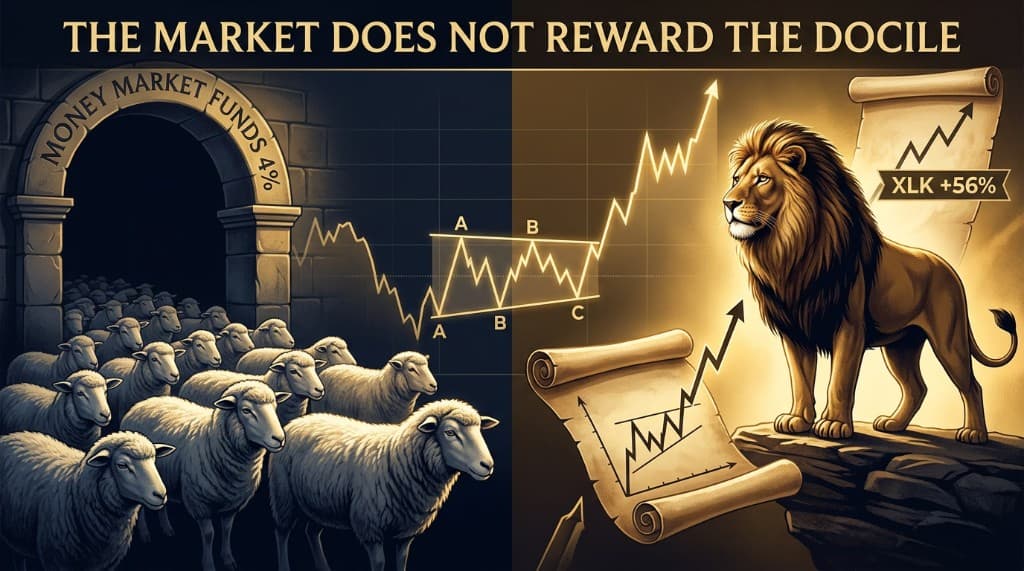
The Speculator's Identity: How the Crowd Was Expelled From a 56% Rally
XLK, the technology sector ETF, rose 56.5% from its late March 2026 lows. On April 1st — the exact bottom — 51.4% of investors were bearish. Today, despite the 56% gain, bullish sentiment has only increased by 3%. Most retail investors missed the entire rally sitting in money market funds. José Luis Cava explains the psychology behind this systematic expulsion, the flat pattern technical structure that signals more upside ahead, and the mindset required to not be part of the herd.
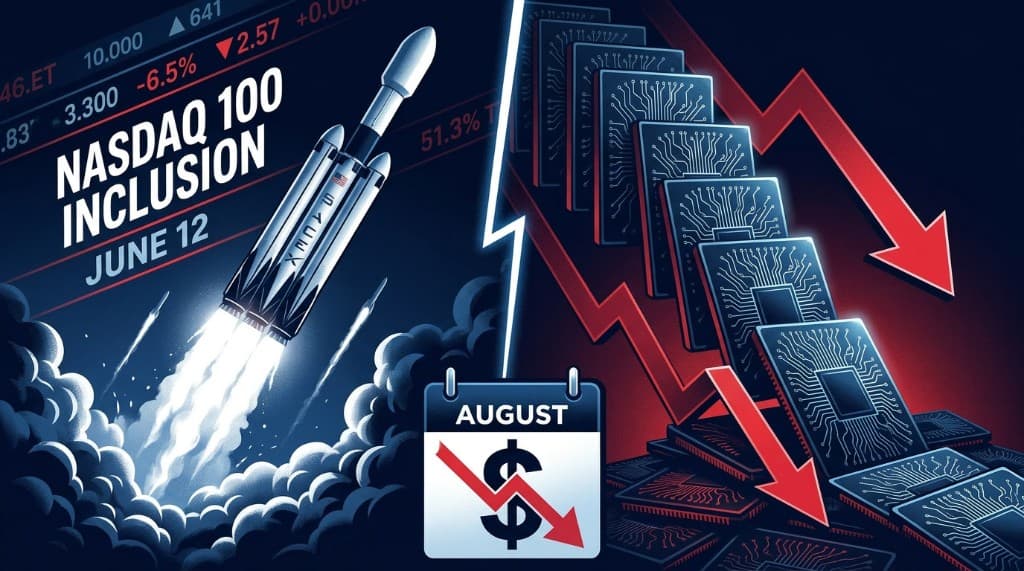
SpaceX IPO: The Two-Phase Market Correction Nobody Is Talking About
The SpaceX IPO on June 12 is not a single event — it is a two-phase market disruption. Phase one: institutions sell semiconductors to make room for SpaceX in the Nasdaq 100. Phase two: the staged lockup expires after Q2 results, deliberately timed for August when markets are thin and investors are on holiday. José Luis Cava maps the full mechanics, explains why DXYZ is his preferred vehicle for SpaceX exposure, and identifies the technical entry levels.
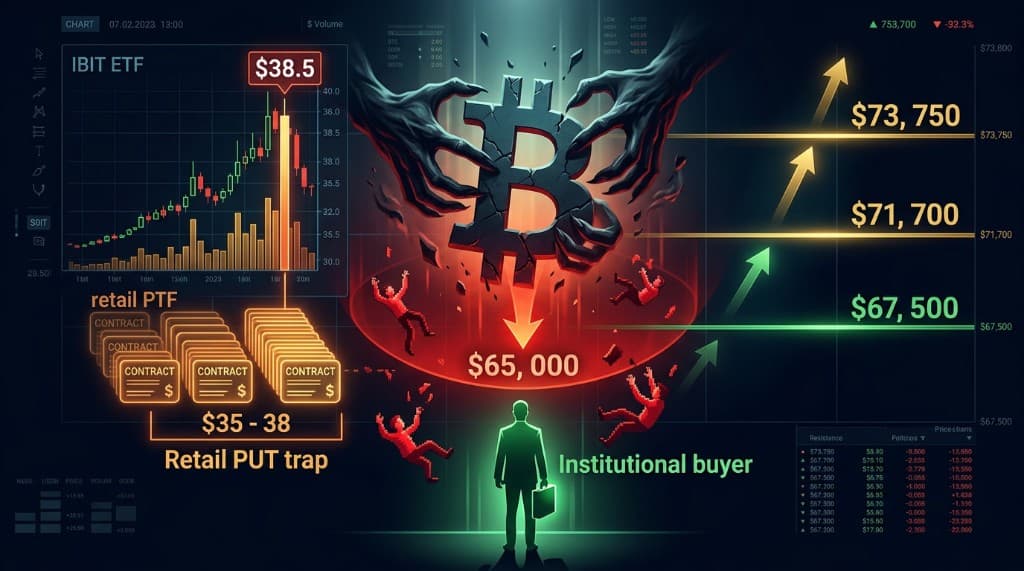
The Dark Side of Bitcoin: How Market Makers Use Your PUT Options Against You — and Where the Real Opportunity Is
Bitcoin rose from $65,000 on March 30 to nearly $84,000 in May. Now the market makers have a map of exactly where retail investors are positioned — and they will use it. José Luis Cava explains the mechanics of the sweep: why $65,000 is the target, how PUT option concentration in IBIT tells institutions where to push the price, and what the professional speculator does while everyone else is panicking.