Blog
Market analysis and congressional trading insights
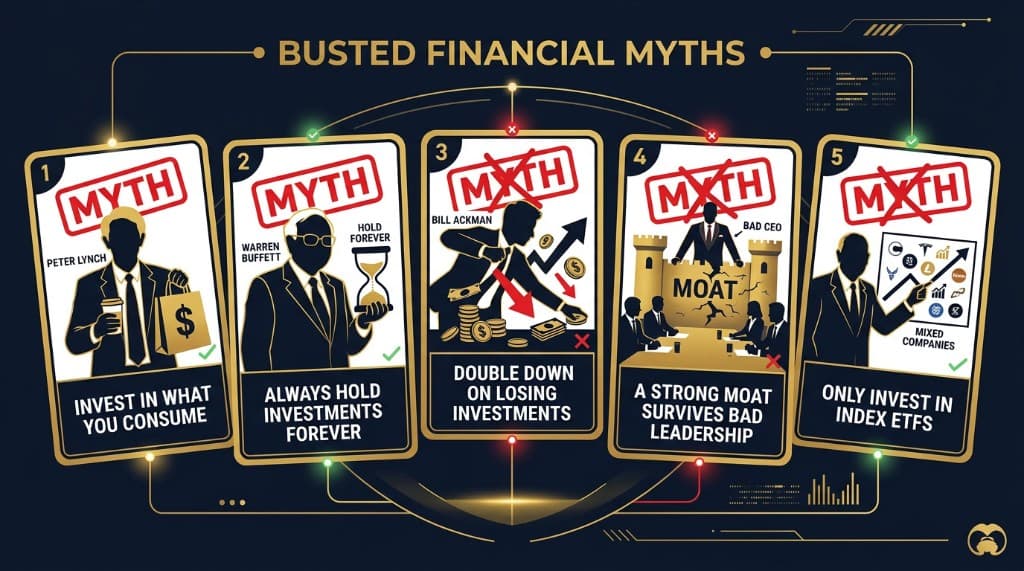
Five Investment Mantras That Can Destroy Your Portfolio If You Follow Them Blindly
Invest in what you consume. Hold forever. Stay convicted. Management doesn't matter. Buy the whole index. Five pieces of advice attributed to legendary investors — Peter Lynch, Warren Buffett, Bill Ackman, Pat Dorsey, Jack Bogle — that are partially true, widely misunderstood, and potentially dangerous when applied without nuance. Fernando Sánchez of Invertir desde Cero dismantles each one.
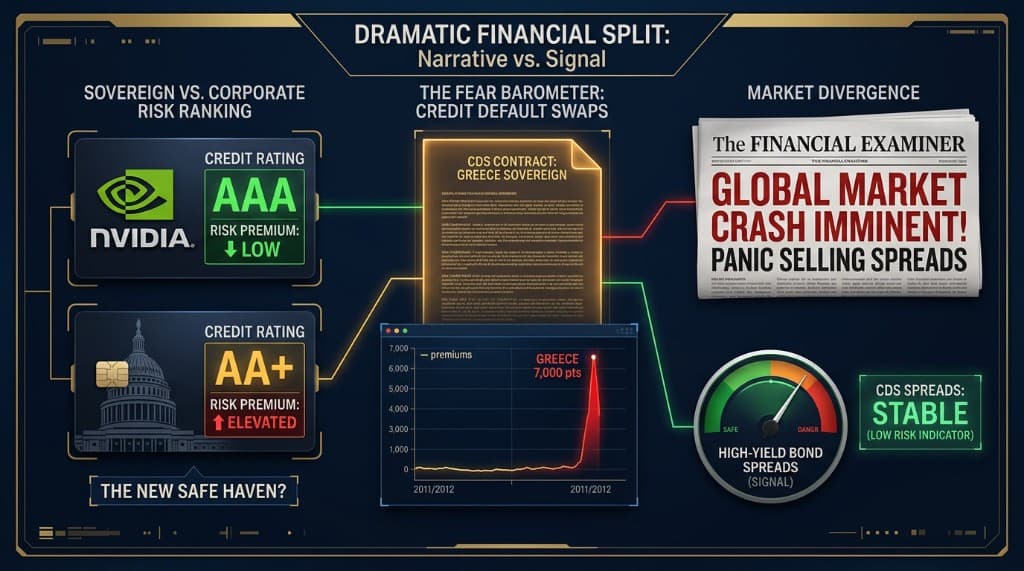
Investors Trust NVIDIA More Than the US Government — And How to Know When the Market Is Really in Danger
The Financial Times reported something extraordinary: the risk premium on NVIDIA's 5-year debt is lower than that of US government bonds. Private enterprise is now considered safer than the sovereign. José Luis Cava explains why this makes sense, why AI is still not a bubble, and introduces the one tool that separates real market danger from manufactured fear: Credit Default Swap premiums on high-yield debt.
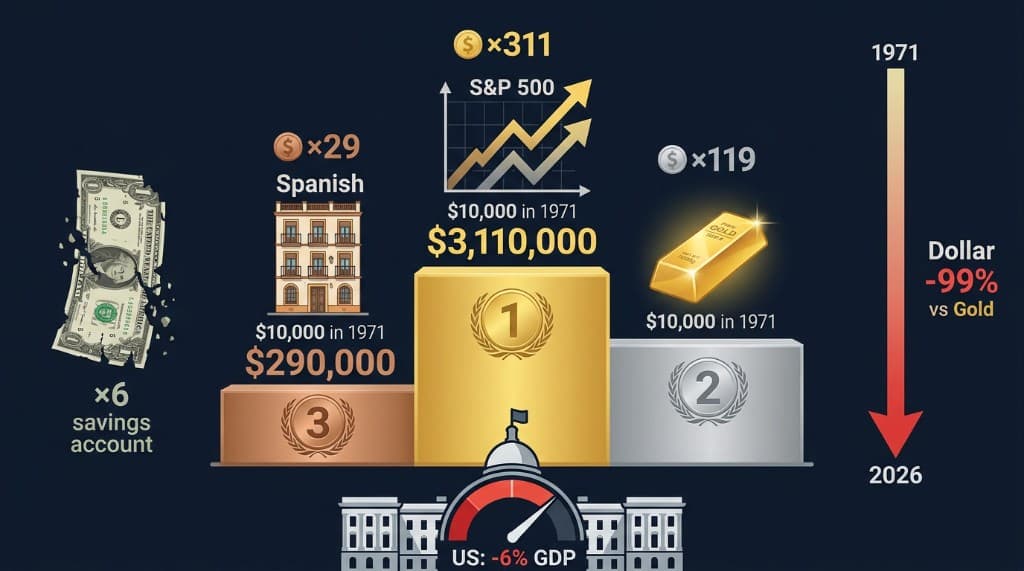
Since 1971: SP500 ×311, Gold ×119, Real Estate ×29, Savings Account ×6
Since 1971, the dollar has lost 99% of its purchasing power against gold. A savings account at 4-5% annual return multiplied your money by 6 times. Real estate multiplied by 29. Gold by 119. The SP500 with dividends reinvested: 311 times. José Luis Cava runs the numbers on five decades of monetary degradation — and explains why the only rational response is to own assets, not cash.
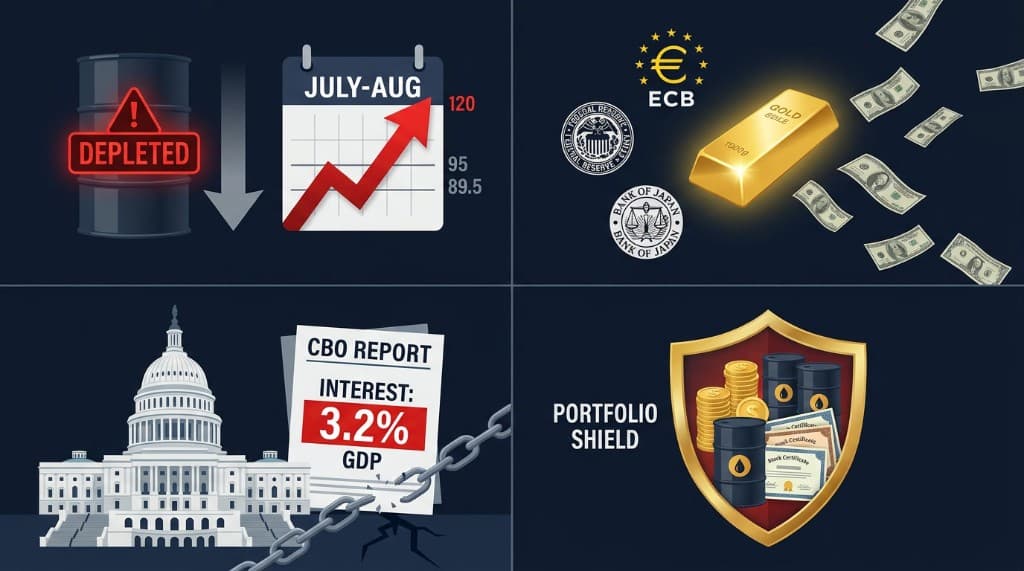
Oil Reserves Are at Historic Lows, Central Banks Are Buying Gold, and the US Budget Office Says the System Is Broken
Everyone is bearish on oil. Jet fuel is down 30%. The IEA is warning of future shortages and nobody is listening. Strategic reserves are below seasonal minimums with only 100 days of global consumption remaining. Cava sees a price spike toward late July or early August, with Brent technical levels at 89.5 support and 95 breakout toward 120. Meanwhile, central banks are buying gold while selling US bonds — and the Congressional Budget Office confirms that at 3.2% of GDP in interest payments, the system is technically insolvent.
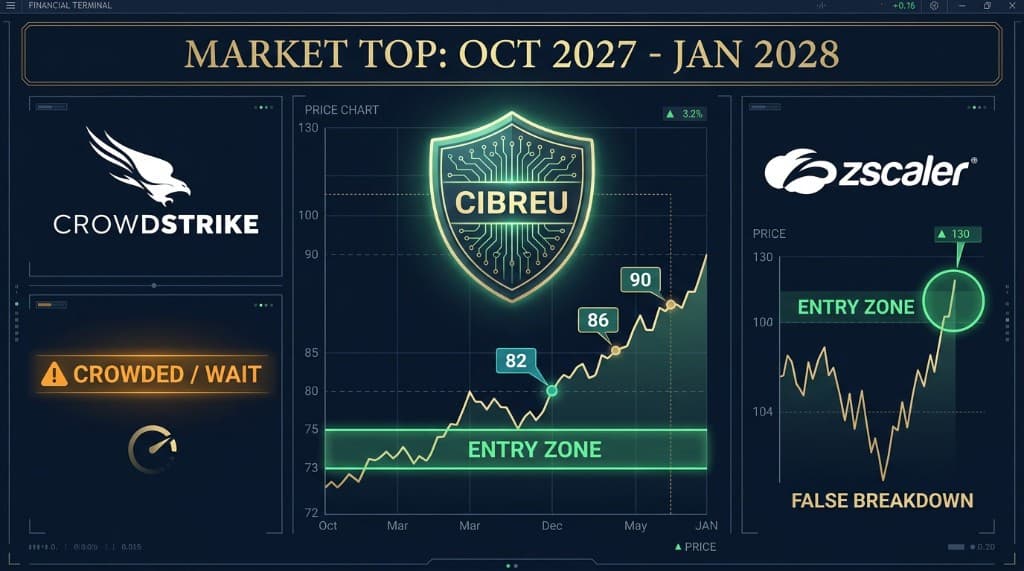
Cybersecurity Is Not Optional Anymore — And the Market Top Is October 2027 at the Earliest
AI adoption makes cybersecurity spending mandatory, not discretionary. José Luis Cava builds the structural case for the sector, identifies the specific ETF to own (CIBREU, London-listed), and explains why now is not the entry point — but 72-75 is. He also provides the most specific market top estimate yet: October 2027 to January 2028. And why Zscaler is more interesting than CrowdStrike right now.
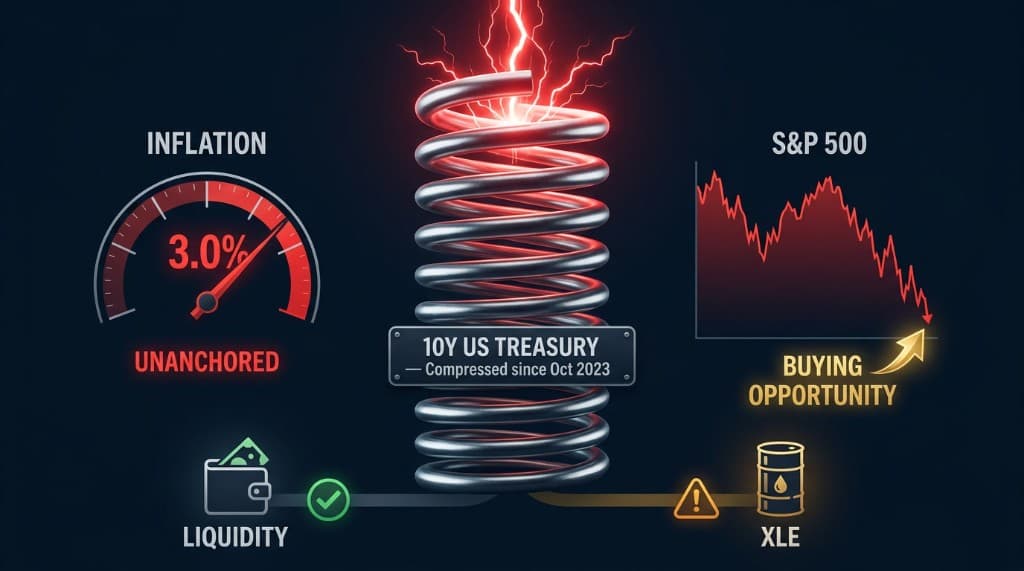
The Bond Market Is a Compressed Spring — And Inflation Is About to Release It
The US economy is strong. Corporate earnings are growing. AI investment is accelerating. And yet the HOPLA team is warning of a significant market correction between now and the end of summer. The reason: inflation expectations are unanchoring precisely as the Federal Reserve transitions leadership, and the 10-year Treasury bond has been compressing like a spring since October 2023. When it releases, equity markets will feel it. Here is what to do — and what not to do.
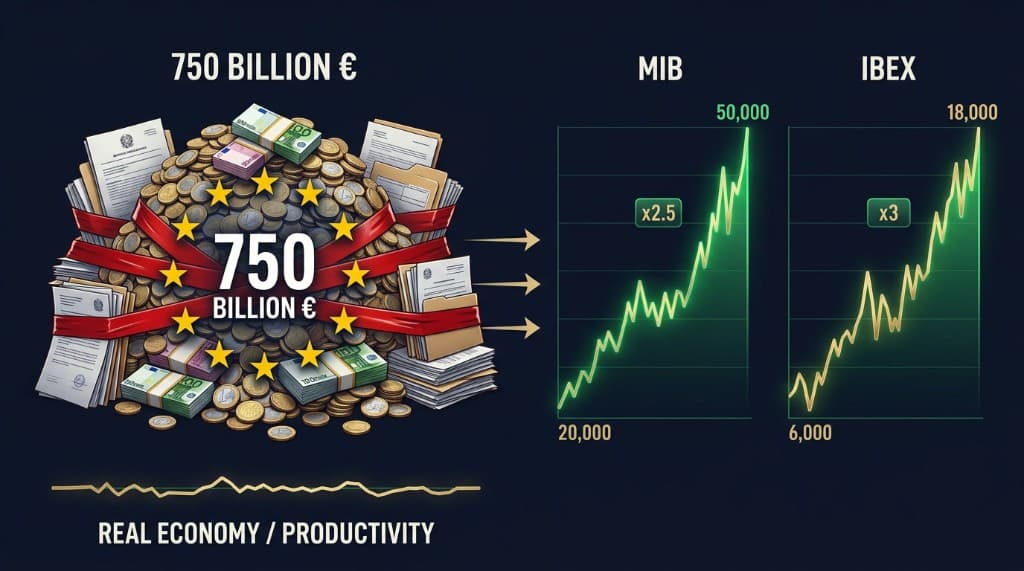
750 Billion Euros That Failed the Economy — and Tripled the Stock Market
The EU's Next Generation recovery fund deployed 750 billion euros between 2020 and 2021 — comparable to what Google, Meta, Microsoft and Amazon spent on AI infrastructure in a single year. The economic objectives failed: growth was modest, productivity barely moved, the North-South gap persists. But the Italian stock market tripled. The Spanish IBEX multiplied by three. Cava's conclusion: the money never reached the real economy. It went straight into financial markets.
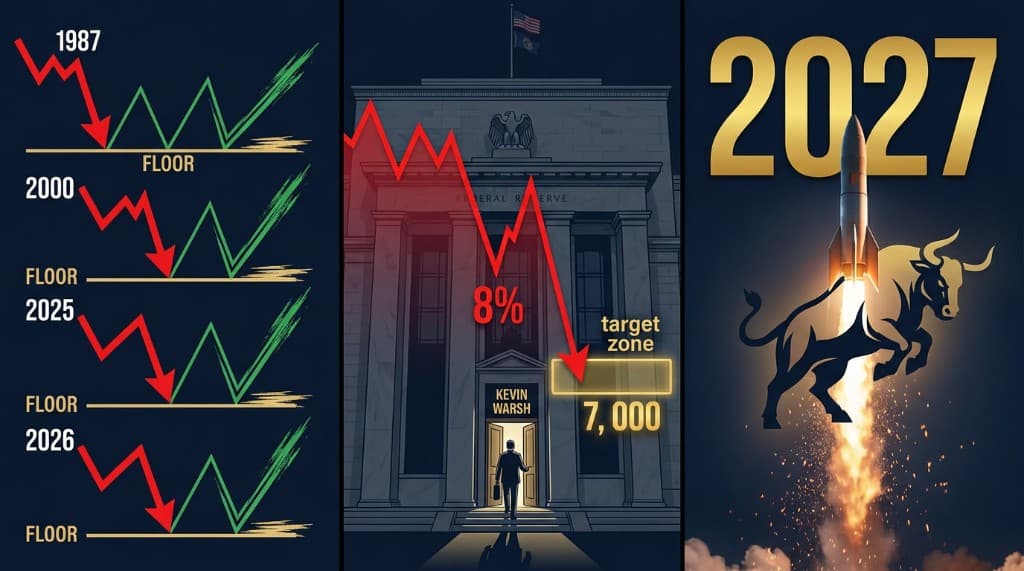
Every New Fed Chair Gets Tested. The SP500 Target Is 7,000. And 2027 Will Be Excellent.
Every time a new Federal Reserve chair takes office, markets test them within one to two months. The median drop is 8%. The current target, based on Cava's sweep mechanics, is SP500 7,000-7,046 and Nasdaq 27,000. This is not a bear market. It is a deliberate institutional maneuver to expel weak hands before the next leg up. Those who understand this and hold their reserves will find 2027 to be one of the best years of their investment careers.
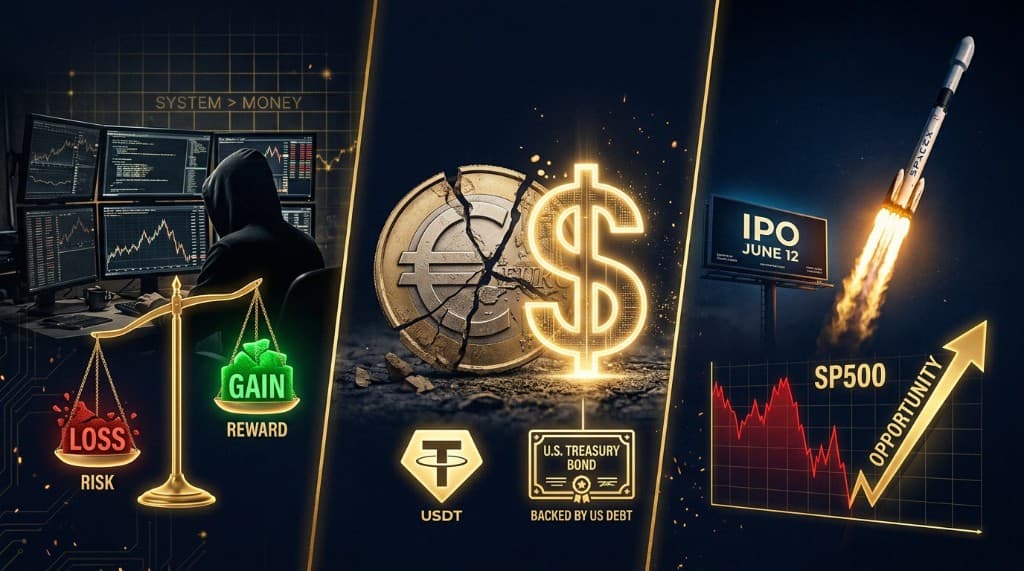
The Hard Truths About Speculation, the Death of the Euro, and Why June 12 Is the Date Every Investor Should Know
Speculation is not easy, not fast, and not what social media makes it look like. José Luis Cava explains what actually separates profitable speculators from the rest. Then: why the European Central Bank has already lost the battle against the digital dollar, and what that means for European banks. And the date that anchors the next market move: SpaceX goes public on June 12. A correction is expected. It will not be a market top. It will be an opportunity.
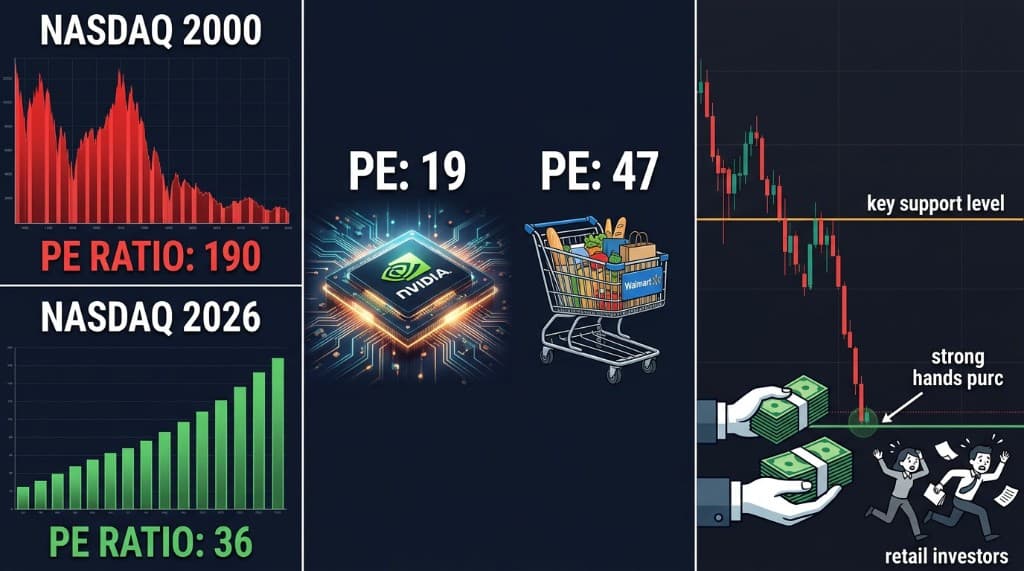
NVIDIA Trades at a Lower PE Than Walmart. This Is Not the Dot-Com Bubble.
The Nasdaq 100 hit a PE ratio of 190 in the year 2000. Today it sits at 36. NVIDIA, the company at the center of the AI revolution, trades at a PE of 19 — lower than Walmart, lower than Costco, lower than Microsoft in 2000. José Luis Cava dismantles the bubble narrative with data, explains why bubbles only burst when central banks pull liquidity, and shares the most important lesson he learned from 2000: the deliberate market sweep that expels weak hands before the next leg up.
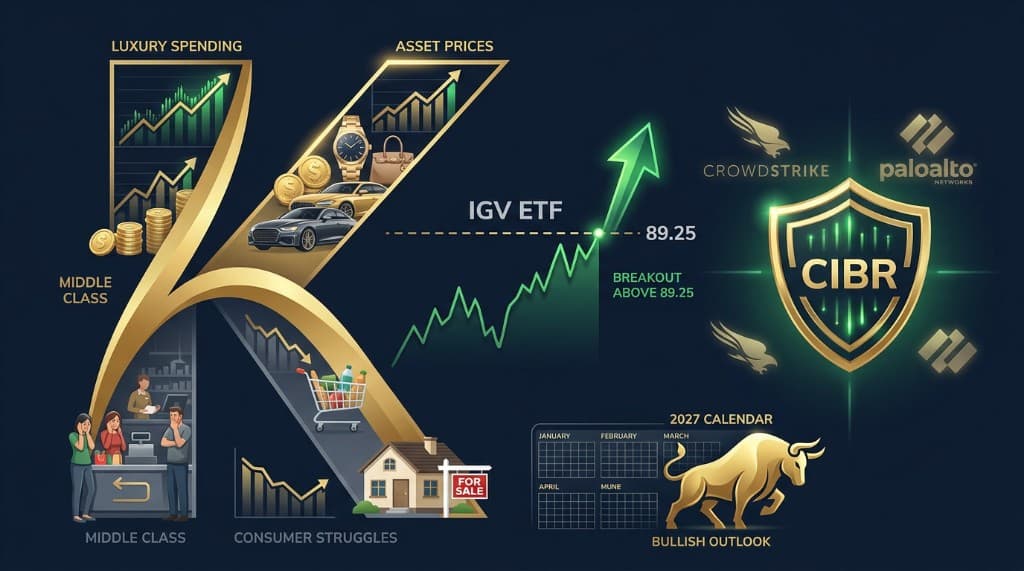
The K-Shaped Recovery, the IGV Breakout, and Why 2027 Could Be One of the Best Years in the Market
The US economy is recovering in a K-shape: the wealthy are spending more, the middle class is under pressure. That divergence has direct implications for Fed policy. Meanwhile, the software sector just cleared a critical resistance level. Tech companies have stopped selling Bitcoin. And the HOPLA team sees 2027 as potentially one of the best years in the market — with cybersecurity as the specific sector to own.
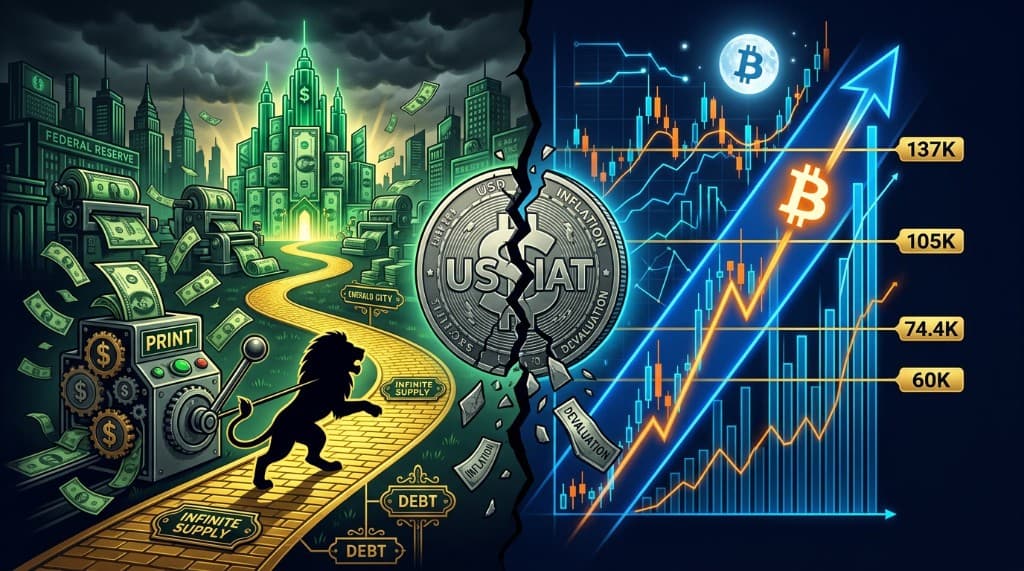
The Wizard of Oz Was About Money All Along — And Bitcoin Is the Answer
L. Frank Baum's Wizard of Oz was never a children's story. It was a monetary allegory about the gold standard, fiat money, and the politicians who learned to print their way to power. José Luis Cava connects the 1900 parable to 2026, explains why Bitcoin is the logical defense against monetary degradation, shares a tax-efficient strategy using two ETNs, and maps the technical case for targets at 105,000 and 137,000 dollars.
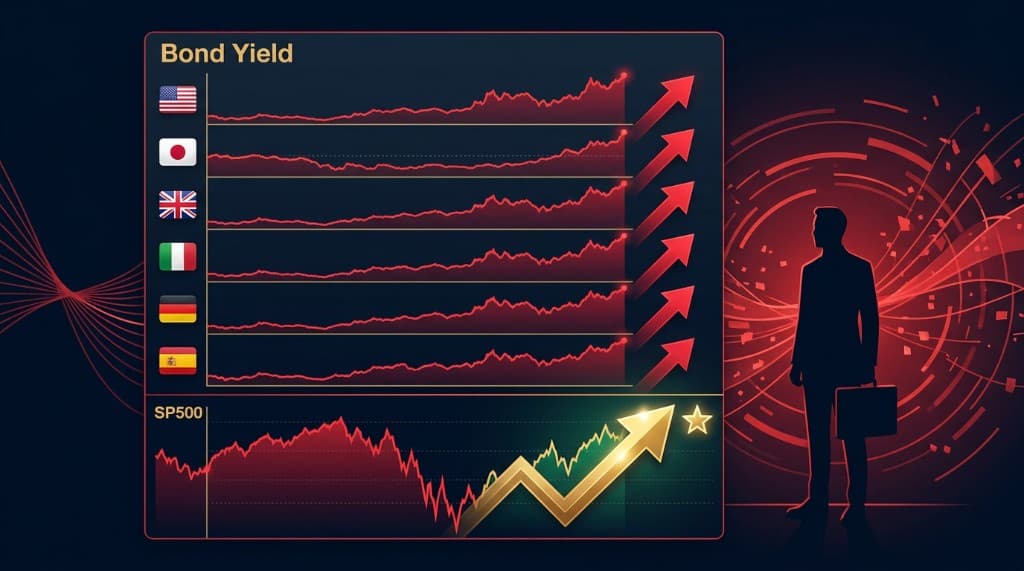
The Global Bond Crisis, the Coming SP500 Crash, and Why It Will Be a Magnificent Buying Opportunity
Bond yields are rising simultaneously in the US, Japan, UK, Italy, Germany, and Spain. José Luis Cava calls it a broken system. Stocks haven't fallen yet — and he explains why. But if yields keep escalating, a violent market correction is coming. The media will call it a prolonged bear market. Cava calls it a magnificent buying opportunity.
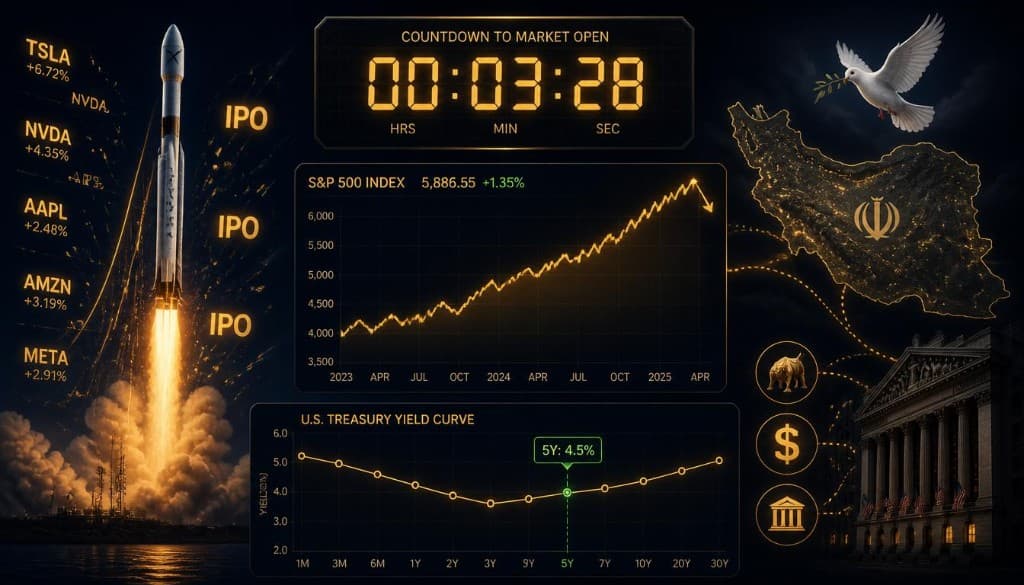
The SpaceX IPO, the Iran Peace Deal, and the Clock Counting Down to the Market Peak
José Luis Cava lays out what he calls the master plan: Trump will synchronize the Iran peace deal with the SpaceX IPO to create maximum market euphoria for the largest stock offering in history. Meanwhile, US debt sustainability hangs on a single equation — and right now, it holds. But once SpaceX goes public and Iran is priced in, the rally may have found its ceiling.
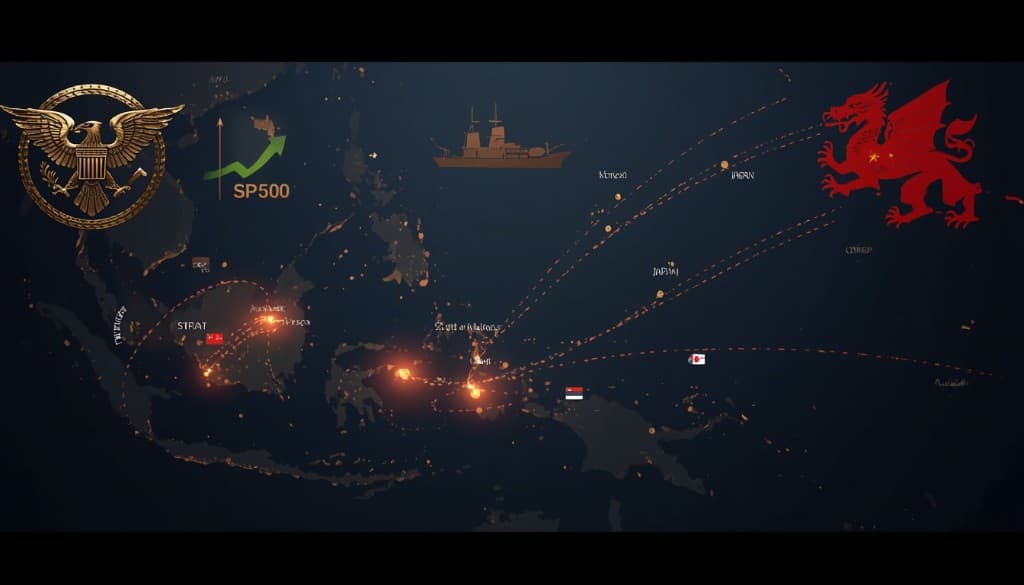
The Thucydides Trap and the Periclean Blockade: Why the US-China Confrontation Is Bullish for the SP500
Xi Jinping has invoked the Thucydides Trap — a historical concept that predicts conflict when a rising power challenges an established one. José Luis Cava interprets this as a sign of weakness, not strength. Meanwhile, Trump is applying a strategy straight from ancient Athens: encircle, control the supply lines, and avoid direct confrontation. The implications for the SP500 are unambiguously bullish.